







Search Results for: Savage Coffee
Panama Deborah Geisha Tasting Guide: Anaerobic Natural Processing and Flavor Analysis of the Savage Series
Front Street Coffee presents the Panama Deborah Anaerobic Natural Geisha, from the Savage series in the Volcán region at an altitude of 2,000-2,350 meters, roasted at a medium level to reveal white florals, pineapple, and lactic acidity, with a full and balanced mouthfeel. This article will guide you through this Geisha's unique processing method—first sun-dried on raised beds until raisin-like, then sealed and fermented anaerobically for 36 hours, retaining all the fruit pulp; at the same time, we step into Deborah Estate's high-altitude microclimate and ecological farming philosophy, and analyze the quality pursuit of the Savage coffee project. At the end of the article, we include SCA-recommended pour-over parameters: 15g coffee, 90-93°C, 225ml water, a 1:15 coffee-to-water ratio, to help you fully unlock this Geisha's flavor potential. [more…]
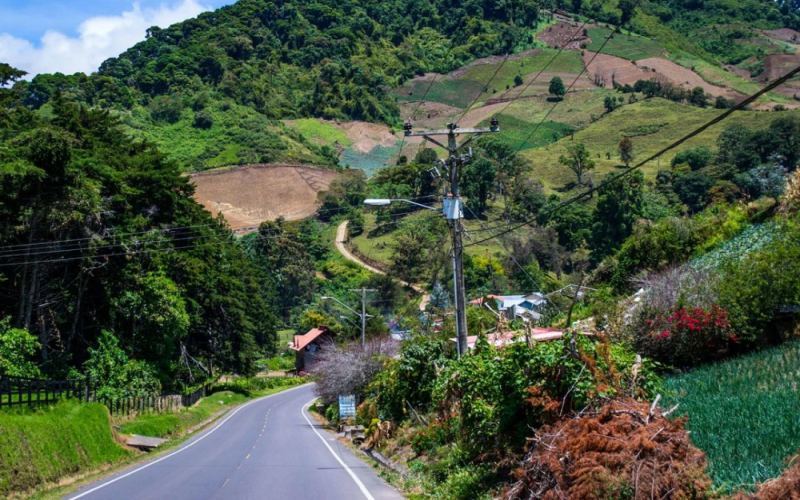
At the Summit of Panama: A Complete Analysis of Finca Deborah Geisha Coffee and a Reveal of the Savage Series Flavors
On the map of Panama's specialty coffee, Geisha is undoubtedly the shining star, while Finca Deborah, with its unique position as Panama's highest-altitude estate, writes a legend of its own. Estate owner Jamison Savage transitioned from banker to coffee farmer, and in the primeval forest above 1,900 meters, he spent more than a decade turning the impossible into the possible. In addition to Finca Deborah, he also owns Finca Morgan and the Savage Coffee project, continuously producing high-quality Geisha. This article takes you deep into Finca Deborah's terroir and processing methods, and features a tasting of the Savage series Geisha sourced by Front Street Coffee, covering everything from cupping flavors to brewing parameters. [more…]
An In-Depth Analysis of Panama Deborah Estate Geisha Coffee: A Full Reveal of the Savage Series Flavors and Processing Methods
Panamanian Geisha coffee has always been the darling of the specialty coffee world, and Finca Deborah stands out as one of its finest examples. Perched high in the mountains of the Chiriquí volcano, this estate owes its floral, fruit-forward Geisha to extreme altitude, a unique microclimate, and innovative processing methods. This article takes you inside Finca Deborah to explore its geography, cultivation philosophy, and the Savage Coffee project led by its owner, Mr. Savage. We will also break down in detail the anaerobic natural processing method used for the Savage Geisha purchased by Front Street Coffee this time, along with Front Street's roasting analysis, cupping notes, and brewing suggestions, offering professional reference for your tasting and brewing. [more…]
Exploring Panama's Geisha Twin Stars: The Origins of Deborah Estate and Morgan Estate and the Savage Coffee System
Geisha coffee made Panama's Hacienda La Esmeralda famous, but on this land surrounded by volcanoes, there are two other estates that also produce top-tier Geisha—Deborah and Morgan. Both belong to Jamison Savage's coffee empire, one located in the high-altitude primary forest of Volcán, the other perched on the steep slopes of Barú Volcano, renowned for strict organic farming and meticulous post-harvest processing. Front Street Coffee will guide you through the geography and terroir of these sister estates, their processing techniques, and the collaborative model of the Savage Coffee project, and share a cup profile and brewing recommendations for a Savage series Geisha. [more…]
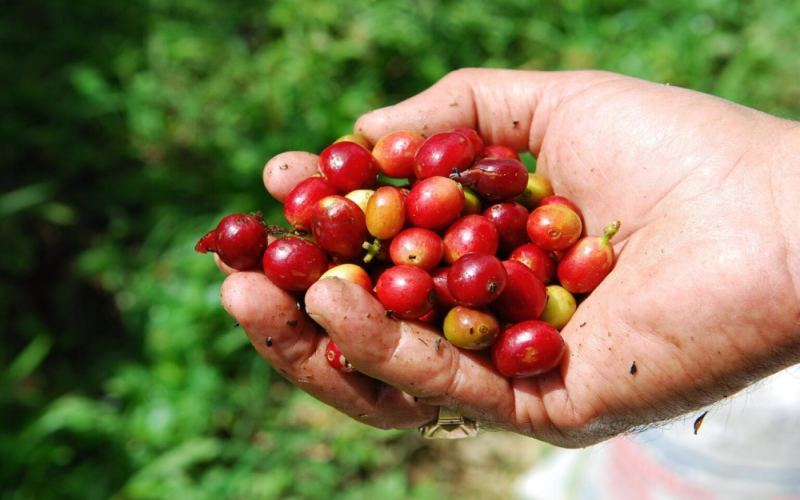
Panama Deborah Estate Geisha Coffee and the Savage Project: An Analysis of High-Altitude Terroir and Anaerobic Natural Processing
Panama Geisha has always been a shining star in the specialty coffee world. From Hacienda La Esmeralda's rise to fame to today's flourishing of estates, enthusiasts have always been in pursuit of more refined flavors. Among the many renowned estates, Finca Deborah, with its altitude of over 1,900 meters, unique microclimate, and owner Jamison Savage's extreme exploration of processing methods, has become a rising star that has drawn much attention in recent years. The coffee project initiated by Savage brings together fully ripe red cherries from small estates in the Boquete and Volcán regions, endowing Geisha with sweeter fruit and floral notes through anaerobic natural processing. Front Street Coffee has selected the Savage series Geisha, using a light roast to preserve its delicate sweetness and acidity, and provides V60 brewing parameter references. This article will comprehensively cover the history of Geisha's spread, the terroir advantages of Finca Deborah, and the key details of this coffee from cultivation to cup. [more…]
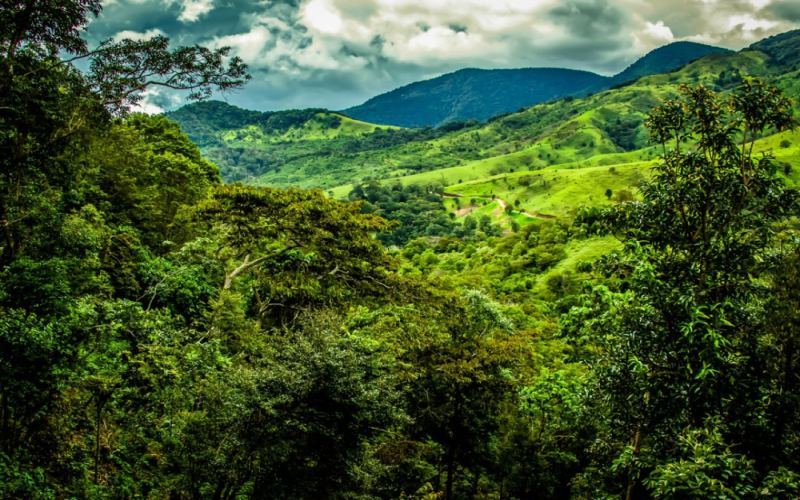
In-Depth Analysis of Panama Deborah Estate Geisha Coffee: Variety Characteristics, Growing Environment, and Flavor Profile
In the landscape of Panamanian specialty coffee, alongside the renowned Hacienda La Esmeralda, Finca Deborah also writes a unique chapter with its Geisha variety. Perched above 1,900 meters in the Volcán mountains and surrounded by rainforest and cloud cover, this estate cultivates Geisha coffee of exquisite and complex flavor through its extreme microclimate and eco-friendly energy system. This article will guide you through the variety's origins, Panama's growing environment, the estate's story, the Savage series project, and Front Street Coffee's roasting and brewing practices, offering a comprehensive look at the distinctive allure of Finca Deborah Geisha. [more…]
Exploring Panama's Geisha Twin Stars: The Origins of Deborah Estate and Morgan Estate, and Front Street Brewing Guide
Geisha coffee made Panama's Hacienda La Esmeralda famous, but hidden within this volcanic region are two equally dazzling Geisha gems—Deborah Estate and Morgan Estate. Both are helmed by Jamison Savage: one is known for its secluded location above 1,900 meters and super-long sun-drying, while the other stuns the competition scene with steep-slope organic farming and its identity as a WBC champion bean. This article takes you deep into the terroir, processing methods, and flavor differences of both estates, and includes Front Street Coffee's brewing parameter recommendations for the Savage series Geisha, helping you brew a cup full of floral aromatics and balanced acidity at home. [more…]
Panama Geisha Coffee Single Cup Price Analysis: An In-Depth Introduction to the Deborah Estate Savage Series Anaerobic Natural Processing
Panama Geisha has always been the darling of the specialty coffee world, and its price has remained high year after year. On Front Street Coffee's bean list, besides Hacienda La Esmeralda, there is also a Geisha from Finca Deborah's Savage series, processed using anaerobic natural fermentation, with a stunning flavor profile. Exactly how much does a cup of this Geisha cost? Why is it even more expensive than Esmeralda's Green Label? This article will guide you through the history of Geisha's spread from Ethiopia to Panama, analyze the impact of high-altitude cultivation on flavor, and provide a detailed interpretation of Finca Deborah's background and its anaerobic natural processing method, finally including Front Street's brewing recommendations, so you can fully understand the value of this high-priced Geisha. [more…]
Panama Geisha | How do Deborah Estate Savage Anaerobic Natural Geisha coffee beans taste? Is Panamanian Geisha coffee very expensive?
Panama is famous for Geisha coffee, one of the most expensive coffees in the world. Currently, on Front Street Coffee's bean list, the coffees from the Panamanian region are basically all Geisha coffee. Besides the renowned Geisha coffee from Hacienda La Esmeralda, there is also the Savi from Finca Deborah. [more…]
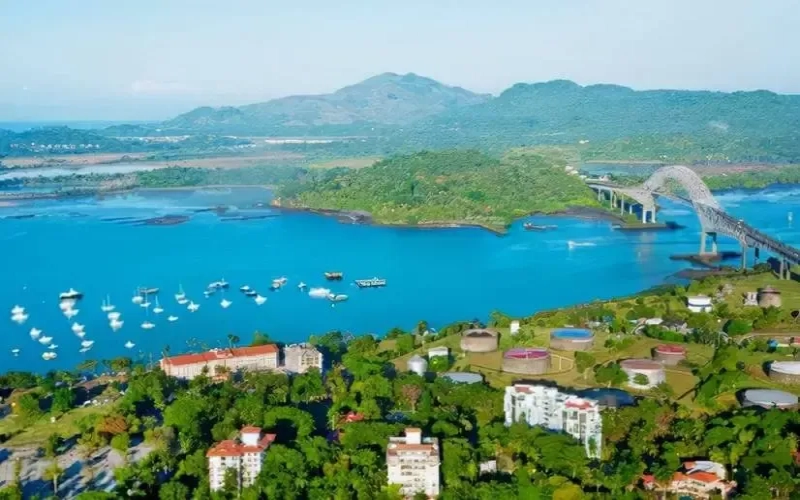
Panama Volcán Highlands | Debora Estate Geisha Cultivation and Processing Methods Full Analysis
Geisha made Panama the focal point of the specialty coffee world, while the Volcán region is rising in a different way. Hacienda Deborah is located in the highlands above 1,900 meters on the slopes of Volcán Barú; it did not make its name on the BOP competition stage, but came into the public eye through the bean choices of competition contestants. The estate owner, Jamison, turned from banking to coffee, bringing fermentation concepts from the wine industry into the processing stage, becoming one of the early explorers of carbonic maceration and anaerobic processing methods. Starting from Panama's terroir conditions, this article sorts out the locational characteristics of the Volcán region, then takes a deeper look at Hacienda Deborah's growing environment and development history, as well as how the Savage Coffee brand connects small farmers with advanced processing techniques. [more…]
Panama Hacienda La Esmeralda Green-Tip Geisha Quality Analysis: From BOP Champion Flavor to Front Street Coffee Brewing Suggestions
Every year during green coffee competition season, the coffee world enjoys a wave of excitement, and the Best of Panama (BOP) is undoubtedly the stage that Geisha lovers watch most closely. Geisha was discovered in the forests of Ethiopia, then made its way to Costa Rica's CATIE where it was labeled T2722, and later blossomed in Panama—all after a long period of obscurity. In 2004, Hacienda La Esmeralda won the BOP championship with Geisha and set a new auction record, turning this variety into the center of everyone's attention. Panamanian Geisha is mainly the green-tip variety, with outstanding green bean grades and flavor performance far surpassing other producing regions. Front Street Coffee's bean list brings together Geisha from Ethiopia, Costa Rica, Colombia, and Panama, with Panamanian estates including Hacienda La Esmeralda and Finca Deborah. This article will take you through the variety's history, the terroir of its producing regions, and the specific brewing parameters for Front Street Coffee's Deborah Savage series, giving you a comprehensive understanding of the charm of Panamanian Geisha. [more…]
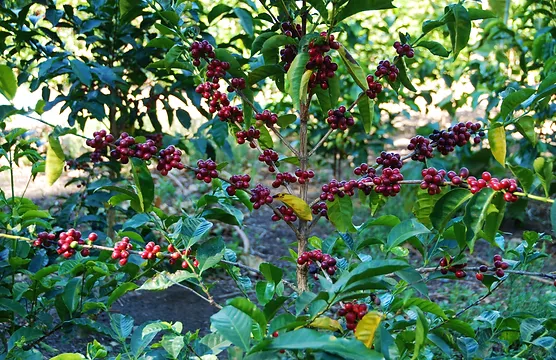
Panama Geisha | How is the quality of Hacienda La Esmeralda Green Tip Geisha coffee beans? What are the flavor characteristics of Panama BOP champion Geisha?
Every year, when the green coffee bean competition season arrives, the coffee community starts to get excited. Rubbing their hands in anticipation, they wait for the latest results, then immediately look for opportunities to taste the beans on the list. Besides classic regions like Ethiopia and Brazil, a new rising star region has emerged in recent years. Because of Panama's Geisha [more…]
The Flavor Profile and Historical Origins of Panama Geisha Coffee Beans: A Detailed Explanation of the Differences Between Green Tip and Red Tip Varieties
Geisha coffee traveled from the primordial forests of Ethiopia to the world stage, enduring decades of obscurity before its transformation. In 2003, Hacienda La Esmeralda entered it into the Best of Panama competition, and it shot to fame overnight, not only breaking green bean auction records but also forcing organizers to split the competition into Geisha and non-Geisha categories. This article will trace Geisha's varietal origins, explain the differences between green-tip and red-tip Geisha, and focus on two Panamanian Geishas on Front Street Coffee's bean list—Hacienda La Esmeralda Green Label and Finca Deborah Savage Series—taking you through the growing region's terroir, processing methods, and brewing suggestions for a comprehensive understanding of this coffee king's unique charm. [more…]

From Ethiopian Forests to Panamanian Volcanoes: The Origin, Migration, and Flavor Comparison of Geisha Coffee from Two Major Producing Regions
Geisha is hailed as the Rolls-Royce of the coffee world, but its legend was not built overnight. From its accidental discovery in the Geisha forests of Ethiopia in 1931 to its breakthrough at the Panama BOP competition in 2004, Geisha took more than seventy years to complete its transformation from obscurity to worldwide fame. Today, the American Geisha centered on Panama and the African Geisha represented by Gesha Village in Ethiopia each display distinctly different terroir charms. This article will trace the complete migration path of Geisha, analyze the flavor codes of Hacienda La Esmeralda, Finca Deborah, and Gesha Village, and present Front Street Coffee's cupping experience with different lots of Geisha such as Red Label and Gold Label, providing coffee enthusiasts with a systematic Geisha tasting guide. [more…]
Geisha Coffee Quality Grades and Price Analysis: A Complete Guide to Its History, Green Bean Appearance, and Pour-Over Flavor
Geisha coffee is hailed as the champion variety among specialty coffees, renowned worldwide for its full-bodied sweetness, clean mouthfeel, and rich floral and fruity aromas. From its quiet export origins in Ethiopia's Geisha Mountains to its meteoric rise at Hacienda La Esmeralda in Panama, Geisha has traversed a legendary journey spanning more than seventy years. This article will guide you through the historical trajectory of Geisha coffee, the appearance characteristics of green and roasted beans, the flavor differences across various origins, and the brewing parameters recommended by Front Street Coffee for the Savage series Geisha from Panama's Deborah Estate, offering coffee enthusiasts a complete Geisha tasting guide. [more…]
Panama Deborah Estate Geisha Coffee Analysis: From Variety Origins to Anaerobic Natural Processing and Flavor Characteristics
Panama is renowned in the global specialty coffee scene for its Geisha coffee, and Finca Deborah is one of the high-end Geisha producers that has attracted much attention in recent years. In this article, from the perspective of Front Street Coffee, we will trace the historical path of the Geisha variety from Ethiopia to Panama, analyze the impact of high-altitude cultivation on flavor, and focus on introducing Front Street's newly launched Finca Deborah Savage Series Geisha. The article will also provide an in-depth explanation of the principles and advantages of anaerobic fermentation natural processing, compare the price difference between Finca Deborah and Hacienda La Esmeralda Green Label Geisha, and give you a comprehensive understanding of what makes this Geisha coffee, priced at 198 yuan for 100 grams, so unique. [more…]
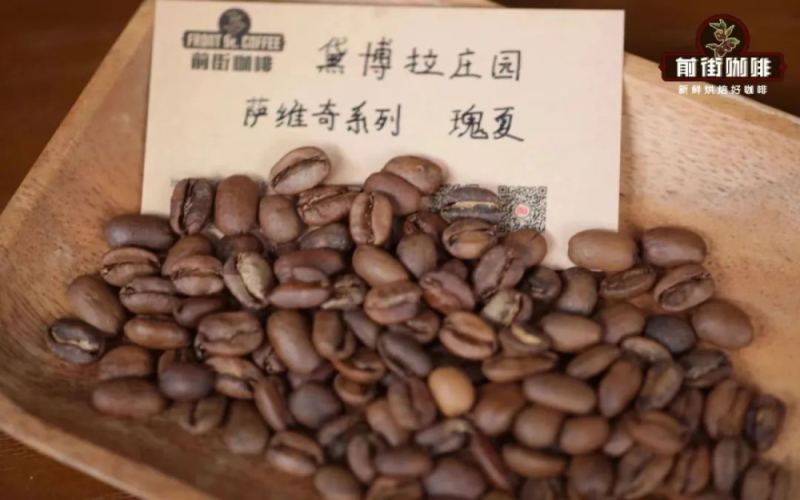
Anaerobic Fermentation Coffee Bean Flavor Analysis: A Complete Interpretation from Processing Principles to Practical Workflow
While classic methods like washed, natural, and honey processing are already widely known, emerging techniques such as anaerobic, enzyme-assisted, and carbonic maceration are appearing one after another, opening up new possibilities for coffee flavor. These processing methods often give coffee beans a distinctive flavor profile, sparking curiosity about the principles and operations behind them. This article focuses on the key step of anaerobia, explaining how it builds upon traditional processing methods and, through the action of microorganisms in an oxygen-deprived environment, converts sugars into lactic acid, acetic acid, and aromatic compounds such as esters and aldehydes, thereby creating special experiences like yogurt-like acidity. The article also combines tasting impressions of the Front Street Coffee Deborah Estate Savage Series Anaerobic Natural Geisha to guide you from theory to practice in fully understanding the characteristics and processing flow of anaerobically fermented coffee beans. [more…]
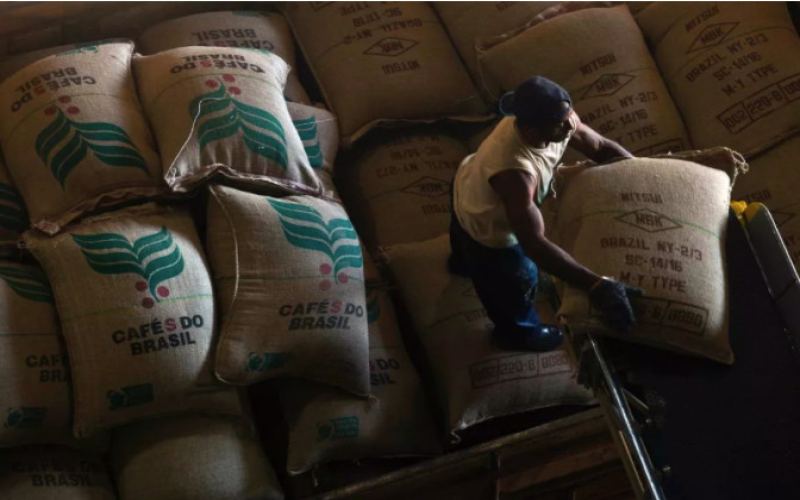
Exploring Brazil's Cerrado Coffee Region: Flavor and Processing Methods from Wild Frontier to Synonym for Specialty Coffee
Brazil is the world's largest coffee producer, and the Cerrado region in the state of Minas Gerais is one of its most representative sources of specialty coffee. This plateau, once known as "savage land," is now famous for its nutty, chocolatey flavors and semi-washed processing method. The Brazil Cerrado Red Bourbon in the Front Street Coffee daily staple bean series is a perfect expression of this region's rich and smooth style. This article will walk you through Cerrado's geographical conditions, organic farm ecology, Brazil's soft bean grading system, and the brewing parameters and flavor profile recommended by Front Street Coffee. [more…]
Brazil Cerrado Region's Cerrado Coffee Beans: The Flavor Code from Wilderness to Specialty Certification
Cerrado (also spelled Hilado/Hilado), which means "savage land" in Portuguese, has now become synonymous with Brazilian specialty coffee. This flat plateau at an altitude of about 1,000 meters, with its unique soil, abundant groundwater, and modern agricultural technology, has completed a magnificent transformation from being ignored to becoming a world-class producing region. In 2005, the Brazilian government officially certified the "Cerrado Designation of Origin," and only coffee beans that pass strict testing and score more than 75 points under SCAA scoring can receive this honor. This article will take you through an in-depth understanding of the birth of Cerrado coffee, the establishment of the CACCER producers association, ecological cultivation methods, two harvesting models, and the traceability system, along with recommendations from Front Street Coffee. Whether you are a coffee enthusiast or a professional in the industry, you can feel the unique flavor and craftsmanship that this land gives to coffee. [more…]
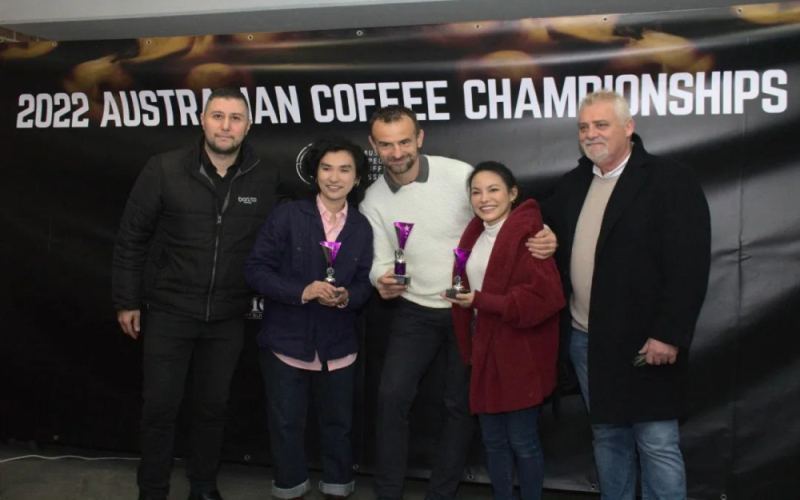
Sasa Sestic Returns to the Brewing Competition Arena: A Full Breakdown of the Ultra-Long Carbonic Maceration Geisha and the Ice-Stone Brewing Black Technology
2015 WBC Italian Champion Sasa Sestic returns to the competition stage after seven years. This time, he brings an experimental batch of Geisha from Iris Estate, a farm he created together with Jamison Savage, owner of Deborah Estate in Panama, to compete in the 2022 Australian Coffee Brewers Cup. This coffee professional, who has delved deeply into carbonic maceration for many years, chose to hold back in an era when anaerobic fermentation swept the competition scene, studying regional terroir and volatile compounds, and using his original Paragon brewing method and ice-stone aroma-locking technique to showcase the candy-like sweetness of an ultra-long macerated Green Tip Geisha. This article will provide a complete analysis of his brewing approach, staged pouring parameters, and flavor performance, with a recommendation from Front Street Coffee at the end. [more…]